
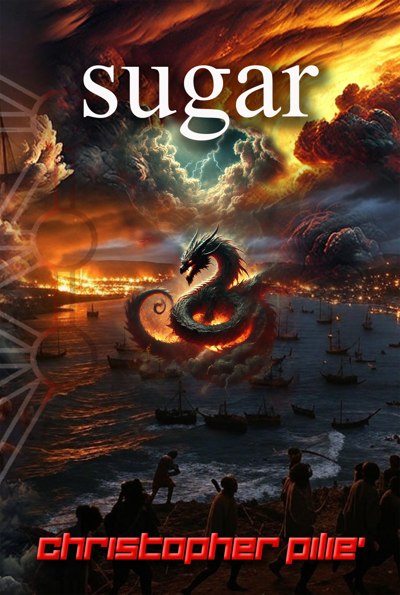
Book One
Sugar
Available now
Begin the Rossignol family story in Saint-Domingue, on the edge of revolution.
Learn moreCrimson Rada / Book Four
What does a family inherit when the past refuses to stay buried?
Across 1798 and 2024, the Rossignol story moves between storm-tossed waters, lamplit rooms, New Orleans streets, and the Maine coast. The distance between past and present is growing smaller.
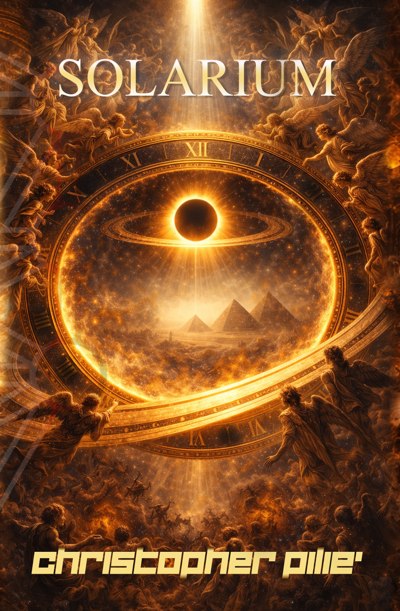
Book Four of the Crimson Rada series
Available now
Written and illustrated by
Christopher M. Pilie’

The story
An immense Tree rises in a luminous dream, alive with a light and rhythm beyond ordinary experience. It is an opening into a story where memory, faith, and the unexplained move close together.
In 2024, David Rossignol arrives in Maine, trying to steady himself as other passengers celebrate their landing. More than two centuries earlier, the San Marco battles the North Atlantic, and Joe Rossignol struggles to pack the instruments of his life into a few open trunks.
From the French Quarter to the coast of Maine, Solarium follows lives separated by time and bound by the questions a family carries forward.
Read inside Solarium
From Chapter 1, “The Dream at the Tree”
Continue exploring SolariumOut of that pale expanse a plain unfolded, endless and clean, a floor of colorless radiance like polished bone. At its center rose the Tree. It dwarfed the horizon. Its bole was as old as memory, striated like rock and yet alive, the bark breathing in faint increments as skin does. Roots spiraled downward into the not-earth, threading the underworld in luminous coils; branches veined upward, ribbed with running light, as if the whole tree were an enormous heart pulsing in slow, tidal beats. Each leaf was sheer and translucent, like green glass held to the sun, and with every pulse a tone shivered along the canopy, a note too pure for ears, felt instead through bone and marrow.
Portland, Maine / 2024
After landing in Portland, David remains seated while the other passengers applaud.
David Rossignol did not join them. He sat unmoving, hands resting flat against his knees, his posture erect but unforced, like someone accustomed to holding weight without complaint. His gaze followed the trembling rivulets sliding down the window, each drop fracturing light into pale shards. Beneath the low hum of engines winding down, his pulse remained steady, too steady, the cadence of control learned in places where panic was lethal.
He had not flown commercial in years. The chatter, the perfume, the endless coughing into shared air pressed on him like heat. Every laugh landed too loudly. Every footstep is too close. He rubbed his palms together slowly, grounding himself the way his therapist had taught him long ago.
Four seconds in. Hold. Eight seconds out.
You’re home. You’re safe. It’s over.
From Chapter 2, “David Rossignol”
North Atlantic / 1798
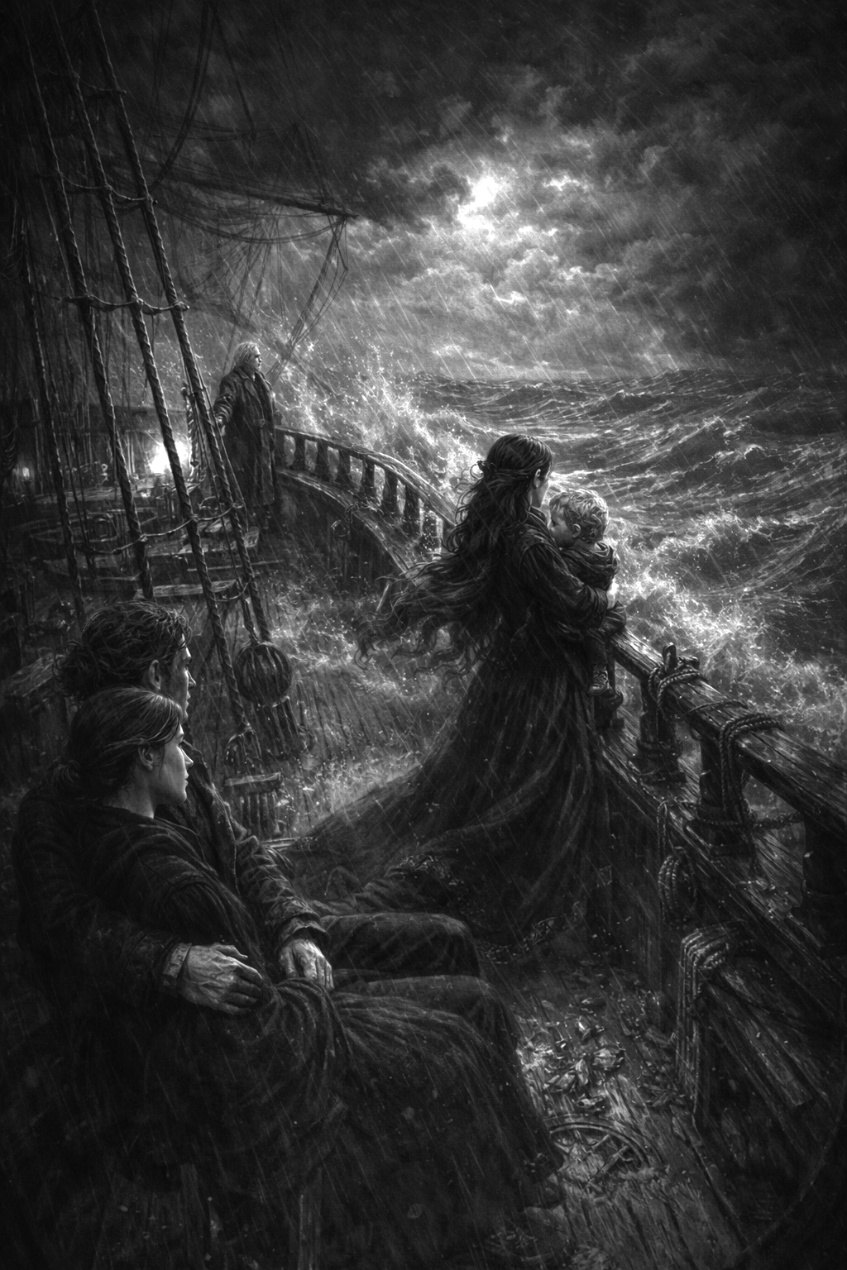
The San Marco forces its way across a rough Atlantic.
North Atlantic, 1798 - The San Marco cut through the Atlantic like a black-winged creature, forcing its way across the wind. The ship groaned and shuddered as each wave struck its flanks, water exploding over the bow and raining down on the deck in a fine, cold mist. The rigging hummed, taut as harp strings; the sails bellied against the gale, white against a sky the color of pewter. Salt stung the air and soaked the timbers, leaving behind the ghostly scent of pitch, hemp, and brine.
From Chapter 3, “The Crossing”
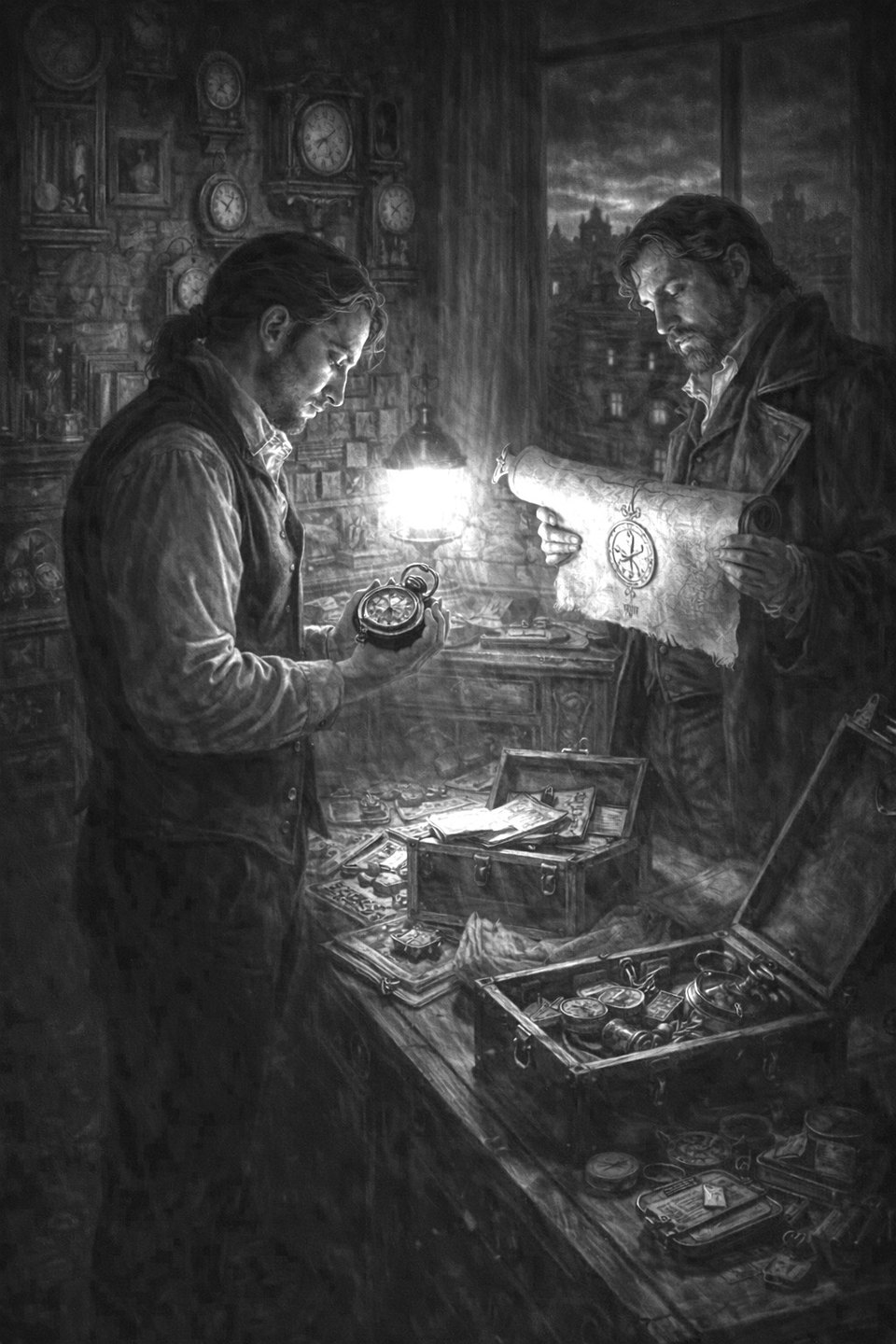
Rome / A watchmaker’s study
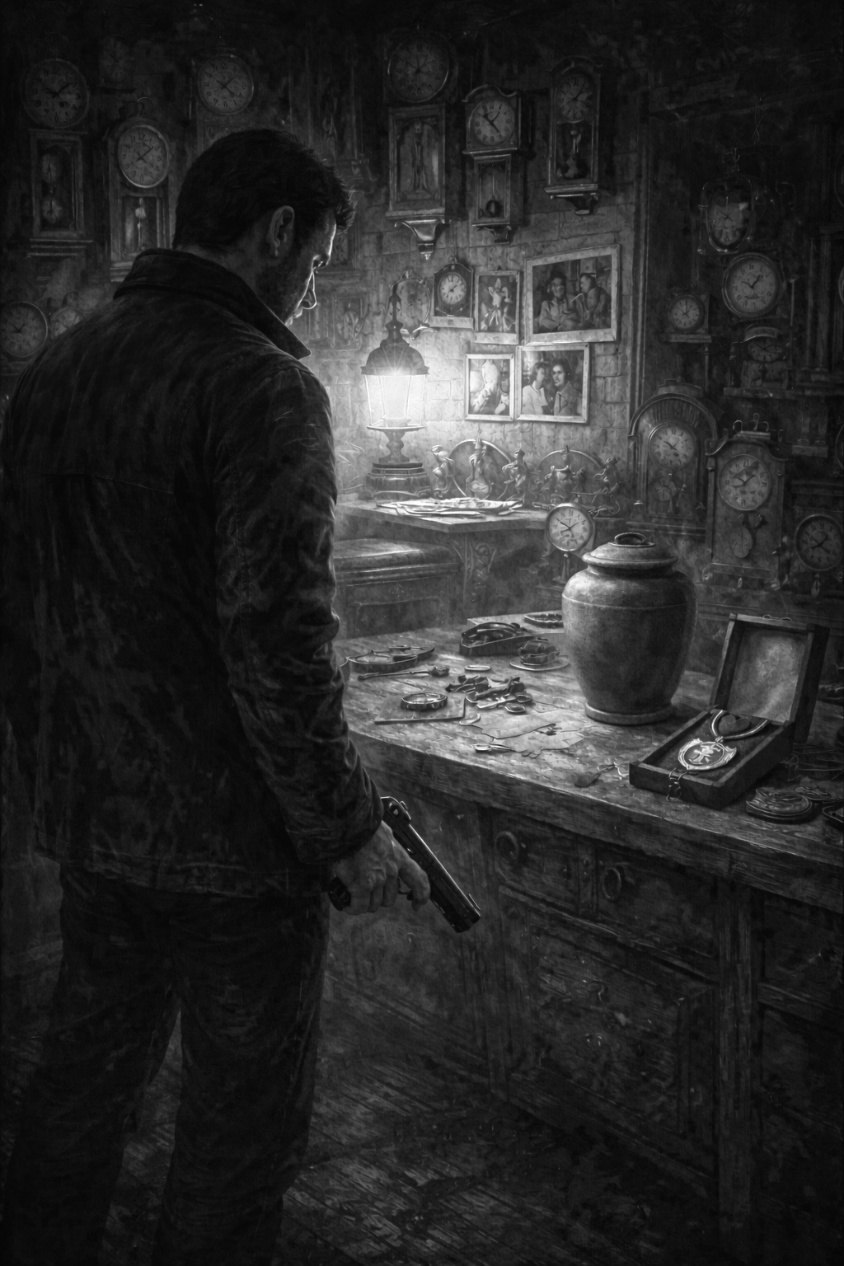
Joe cannot decide which instruments to pack. Marcel tries to calm him.
Upstairs, Joe Rossignol was pacing the study, the room thick with lamplight and the scent of oil and brass. Open trunks lay scattered across the floor, tools, notebooks, half-finished mechanisms, and delicate timepieces glinting like minor planets in orbit around their maker. He was trying, and failing, to decide what to bring.
“This one?” he muttered, holding up a brass case fitted with a pendulum no larger than a coin. “Or this?”
The childlike precision that usually steadied his hands was gone; he moved in restless circles, the ticking of clocks seeming to mock his indecision.
Marcel entered without knocking. “Mon ami, you are going to wear a path through the floorboards. Calm yourself before you wind tighter than your own creations.”
Joe set the instrument down and exhaled. “You know how I feel about leaving Rome. Arinna’s condition, the weather, the roads, everything feels uncertain.”
From Chapter 4, “The Chateau” · Mariamne of the Nazarenes
The illustrated world
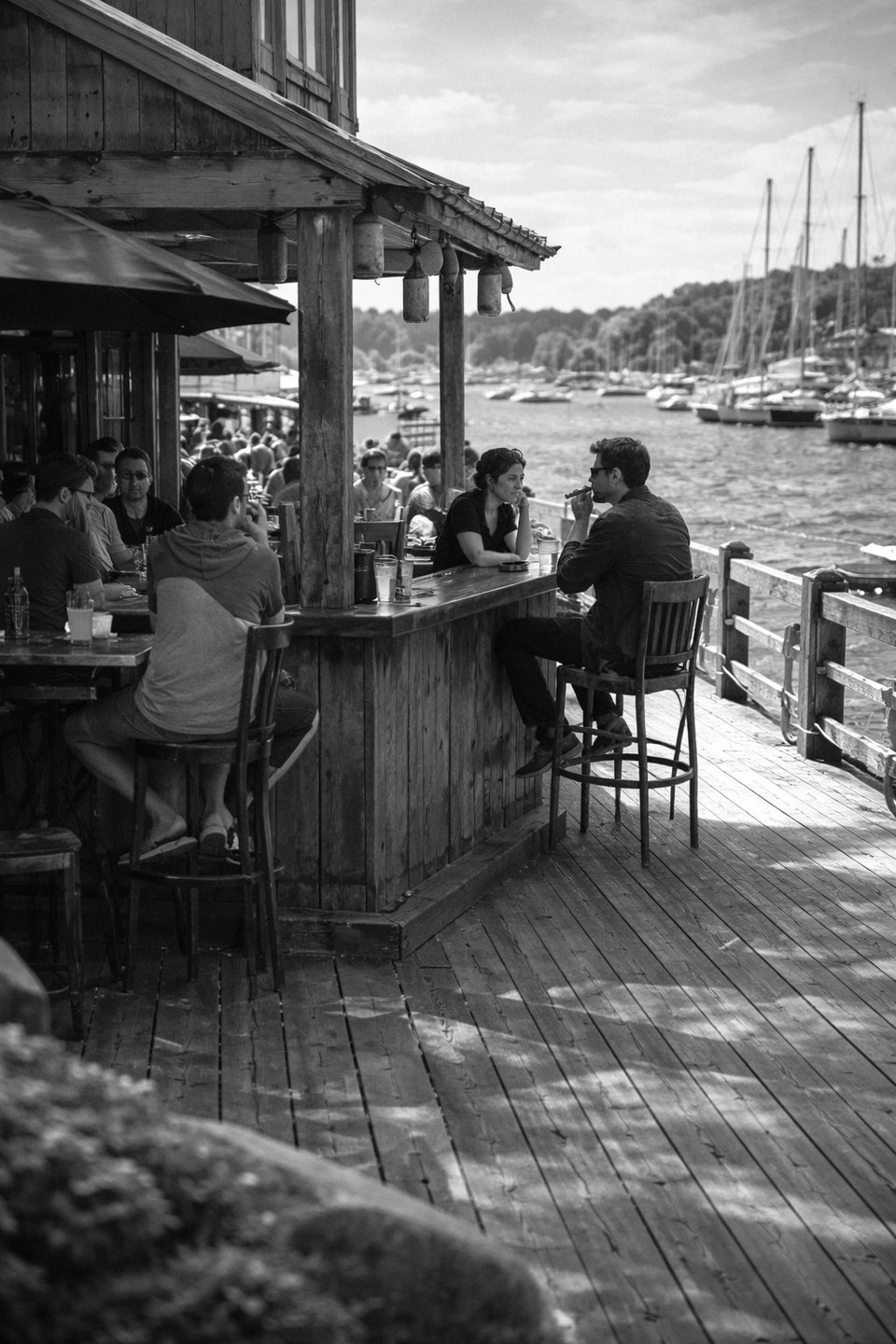
The masked celebrations of New Orleans and the quiet waterfront of Maine belong to the same unfolding story. These illustrations appear inside Solarium.
Explore the novels
The Crimson Rada novels
Follow the Rossignol family in reading order, from Sugar to Ecliptica. Choose a book to learn more, or find your preferred edition below.
Book One
Available now
Begin the Rossignol family story in Saint-Domingue, on the edge of revolution.
Learn more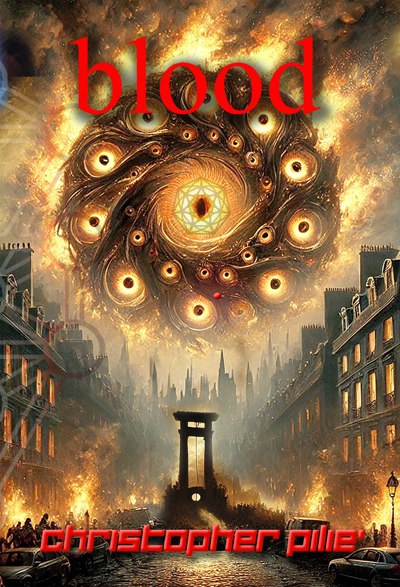
Book Two
Available now
Follow the Rossignols into France through revolution, loyalty, and the Reign of Terror.
Learn more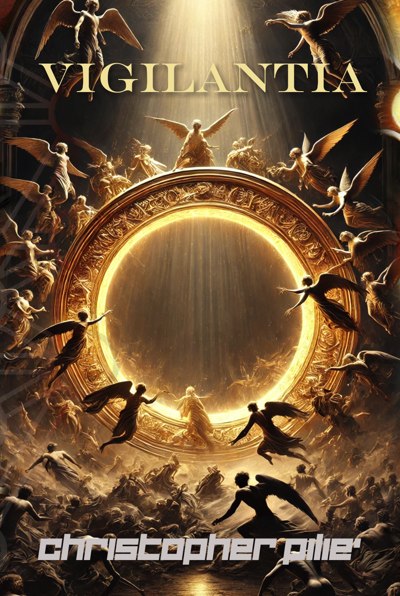
Book Three
Available now
Faith, bloodline, and conspiracy draw the Rossignols into an unseen war.
Learn more
Book Four
Available now
The fourth novel continues the family's story of faith, inheritance, and hidden truths.
Learn more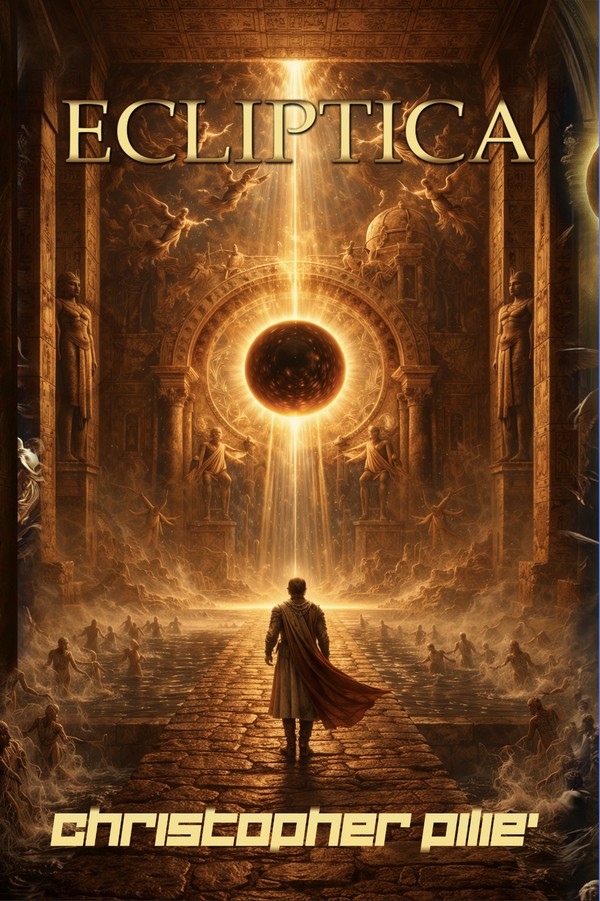
Book Five
Coming
Across two centuries, the Rossignols search for a way to bring one man home.
Learn moreThe fifth novel in the Crimson Rada series. Step into the story with an excerpt.
Read an excerpt