

Book One
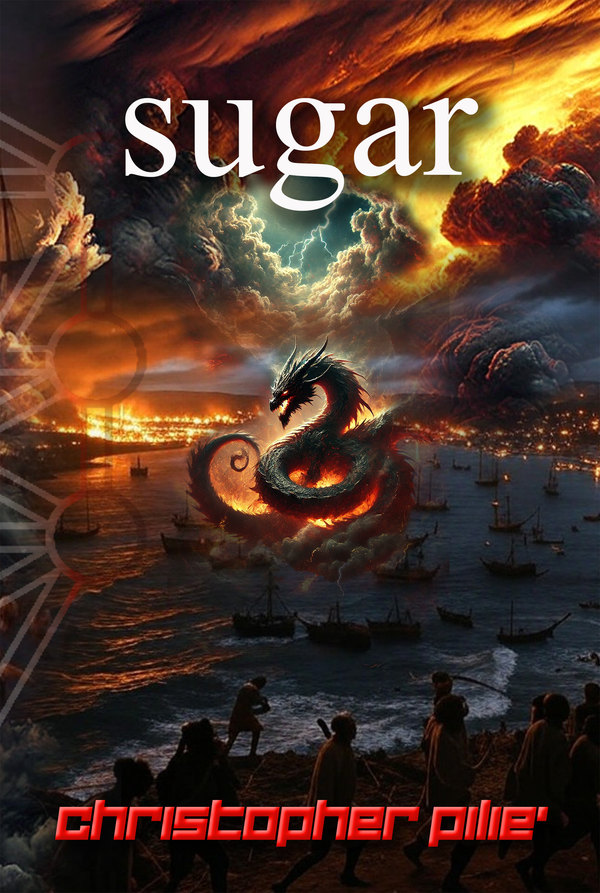
Sugar
Available now
Explore SugarThe novels of Christopher Pilie'
Follow the Rossignol story through revolution, inheritance, faith, and the mysteries that connect generations.
Book Five ·
Solarium is available now.
Explore the books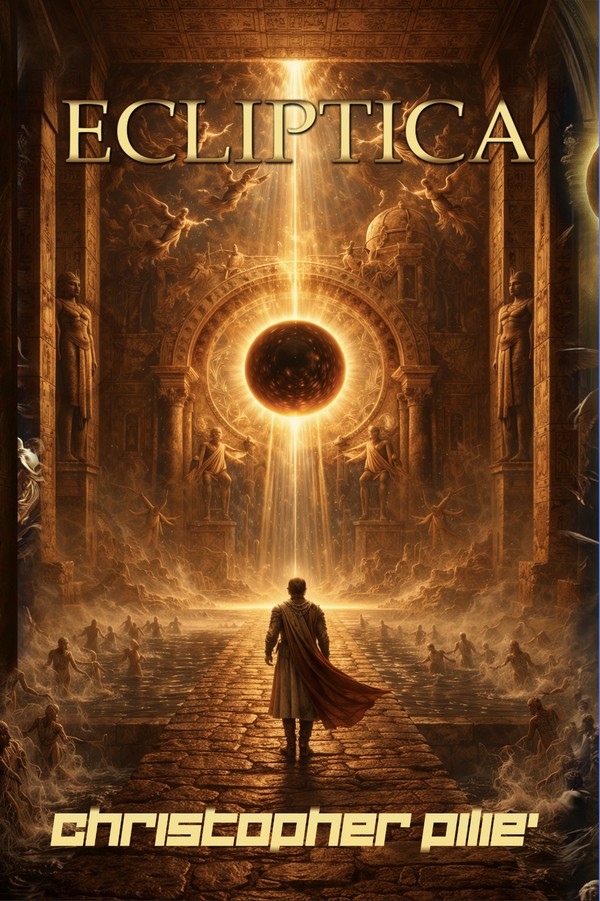
The Crimson Rada novels
Explore the five novels by Christopher Pilie', from Sugar to Ecliptica. Select a cover to read about the book below.
Book One
Available now
Explore Sugar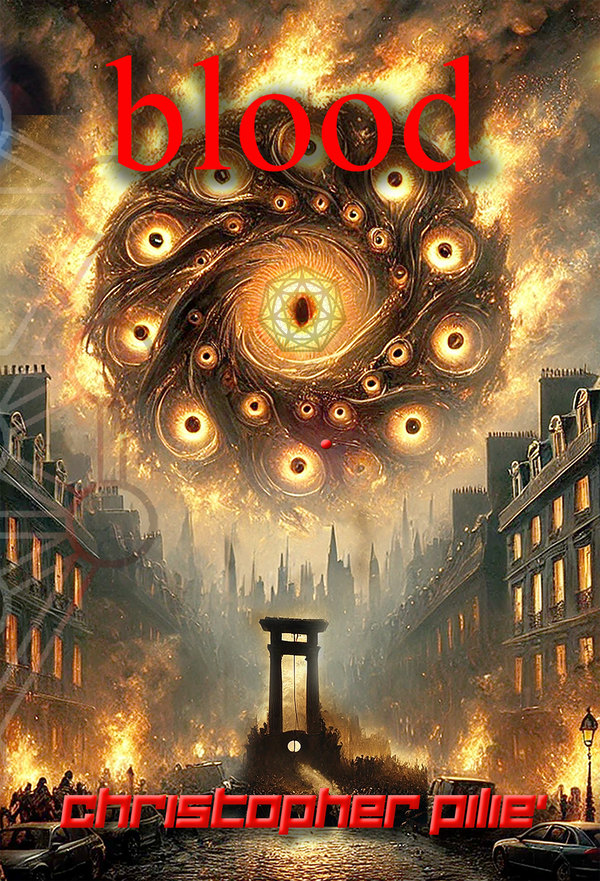
Book Two
Available now
Explore Blood
Book Three
Available now
Explore Vigilantia
Book Four
Available now
Explore Solarium
Book Five
Coming
Release detailsThe Crimson Rada story unfolds across revolutions, continents, bloodlines, and centuries. Begin with Sugar, continue through Blood, Vigilantia, and Solarium, and look ahead to Ecliptica, releasing December 21, 2026.
The world of the 1790s were not simply turbulent. They were transformative.
The Haitian Revolution shattered the illusion of colonial permanence. The French Revolution redefined sovereignty and reordered Europe. Monarchies and empires trembled. Ideologies once whispered in salons erupted into streets soaked with blood. Across oceans, old hierarchies fractured, and the modern world began to take shape. It also set the stage for the final days...
It was an era when theology, politics, commerce, and violence collided in ways that permanently altered the course of history.
The Rossignol family stands at the center of this upheaval. Plantation owners, merchants, scholars, soldiers, believers. They are not observers of history. They are immersed and participants in it. Their fortunes rise and fall with the tides of revolution. Their faith is tested by chaos. Their loyalties are pulled between land, family, and survival.
The Crimson Rada series unfolds this era for you to experience first hand how this time truly was.
What emerges from the series is not merely a story of a displaced family. It is a lineage marked by responsibility towards to divine, by questions of inheritance that reach beyond property and into something older and more mysterious.
Book One · Available now
Sugar begins in Saint-Domingue, in the shadow of cane fields and colonial ambition. The novel immerses readers in the fragile architecture of plantation society just before its collapse. Wealth and elegance coexist with instability and moral tension. The question of revolution is not if, but when.
Through the Rossignols, readers experience the disintegration of a world believed permanent. The novel explores how quickly order can unravel, how systems built over generations can dissolve in months, and how families are forced to make impossible choices when history turns violent.
At its core, Sugar is about land. About ownership. About rootedness. But beneath those themes lies a deeper current: inheritance. What do we truly pass down? Property? Trauma? Faith? Secrets?
The seeds planted in Sugar are not merely historical. They are metaphysical.
Get more information about Sugar
Book Two · Available now
With Blood, the narrative expands beyond the Caribbean and into Europe’s corridors of power. The Rossignols scatter, adapt, and survive. Yet survival reveals something unexpected. Their family history appears intertwined with forces older than revolution.
Hidden manuscripts, sacred relics, whispered societies, theological fractures that stretch back centuries, Blood introduces the idea that lineage may carry more than memory. It may carry calling.
The novel explores secret fraternities, the manipulation of history, and the tension between faith and power. It raises unsettling questions without prescribing easy answers. Is destiny inherited? Are certain families positioned at spiritual crossroads? What happens when sacred knowledge becomes currency?
Blood deepens the series’ architecture. It widens the scope from land to lineage, from survival to purpose.
Get more information about Blood
Book Three · Available now
Vigilantia is not merely a continuation of the story. It is a revelation of the family's calling.
Set largely in Italy, the novel brings the Rossignol family into direct confrontation with truths long hidden beneath centuries of ecclesiastical power and the secrets of history. Rome becomes more than a setting. It becomes a vault. A threshold. A place where archives hold secrets that were never meant to surface.
The title means vigilance.
Not political vigilance. Spiritual vigilance.
In Vigilantia, the spiritual calling of the Rossignols is realized.
Through discoveries tied to Vatican records, ancient manuscripts, and guarded relics, the family begins to understand that their lineage carries custodianship. The schism hinted at in earlier books, the tension between preservation and corruption, between sacred inheritance and its distortion, becomes unmistakably clear.
Italy serves as the stage for this awakening. Within its cathedrals, private libraries, and shadowed corridors of authority, the Rossignols uncover fragments of a spiritual conflict that stretches back far beyond the 1790s. What once seemed like coincidence reveals structure. What once seemed personal reveals purpose.
The novel deepens the theological dimension of the series without reducing it to abstraction. Faith is tested. Institutions are questioned. Allegiances are clarified. It is revealed that the Vatican is an ancient institution wrestling with forces both internal and external.
Vigilantia marks the moment when the Rossignols understand that they are now part of a greater story.
Survival becomes responsibility to all mankind.
And the quiet war beneath visible history steps into the light.
Get more information about Vigilantia
Book Four · Available now
Solarium is available now. The fourth novel was released on June 21, 2026, the summer solstice.
Through dual timelines, historical and modern, the descendants of the Rossignols confront the consequences of what their ancestors carried. The relics and manuscripts once hidden now resurface in a world shaped by technology, political instability, and spiritual fragmentation.
The modern world is losing its bearings and the Rossignols are finding themselves with the task of saving it.
The modern thread examines a society wrestling with nihilism, accelerating artificial intelligence, collapsing moral consensus, and global tension. The questions raised in earlier books become urgent. What is time? Is it linear, or layered? Can the past be sealed away, or does it echo forward with increasing intensity?
Solarium sharpens awareness to the broader questions of consciousness and purpose. It suggests that history is not finished, and that some conflicts transcend generations.
Get more information about Solarium
Book Five · Coming December 21, 2026
The past does not become silent simply because those who lived it are gone.
It remains in the names we inherit, in the stories our families repeat, and in the stories they refuse to tell. Sometimes it survives in an object whose significance has been forgotten. Sometimes it returns in a dream, carrying the unsettling familiarity of something we have never experienced and somehow remember.
For the Rossignol family, that inheritance has become impossible to ignore.
Ecliptica continues the Crimson Rada series across two periods separated by more than two centuries. The following introduces the principal characters and recalls where their stories stood before this book begins.
A missing son. A father’s dangerous legacy. A family whose past refuses to stay buried.
For generations, the Rossignols have carried secrets they could neither explain nor escape. Now, two centuries later, those secrets draw them toward the same darkness.
In the closing years of the eighteenth century, Louis Rossignol brings his family to New Orleans seeking refuge from revolution, displacement, and loss. But no distance can quiet the absence of his son Gustave, who vanished in Rome during an encounter with an ancient relic. Without a grave to mourn or a path to follow, the family clings to the possibility that he can still be found.
His twin brother, Blaise, dreams of impossible places. His brother Joseph searches sacred manuscripts and guarded archives for answers, uncovering traces of a family inheritance whose meaning has been obscured by time. Far away, amid Napoleon’s campaign in Egypt, their cousin Jacob carries a watch that may connect him to something far more dangerous than the war around him.
In 2024, another generation of Rossignols confronts the unsettling legacy of a father they thought they knew.
In New Orleans, artist and musician Gabriel gives shape to visions he cannot explain. His sister Isabelle seeks reassurance in her Catholic faith, even as a mysterious stranger draws closer with knowledge of her family that he should not possess. In Maine, their brother David, a military veteran haunted by a disastrous operation, discovers troubling connections between his father’s concealed past and his own.
What begins as a search through journals, military records, and inherited possessions becomes an investigation none of them can safely abandon.
Names recur where they should have been forgotten. Dreams carry an intimacy that makes them difficult to dismiss. Ancient symbols appear alongside evidence of modern operations. And beneath the familiar streets of New Orleans, the Rossignols begin to sense a history that has been waiting for them.
As their separate searches converge, they must decide whom to trust—and how much they are willing to risk for the people they love. Every answer brings them closer to understanding Gustave’s disappearance. Every discovery makes the cost of that understanding harder to ignore.
Moving between the fogbound French Quarter, the cold coast of Maine, the imperial world of Vienna, and the ancient landscapes of Egypt, Ecliptica continues the Crimson Rada series with an atmospheric blend of historical adventure, supernatural suspense, military intrigue, and family mystery. Faith and forbidden knowledge meet in a story of grief, devotion, and the dangerous hope of reaching someone believed lost.
Across centuries, the Rossignols are searching for a way to bring one man home. Something beyond their understanding is waiting for them to find it.
The Crimson Rada series is not nearing its conclusion.
Further books are already mapped out, extending the narrative arc deeper into both historical, modern, and mythological threads. The architecture of the story has been designed with long continuity in mind. Each novel reveals new dimensions while preserving the integrity of what came before.
The next confirmed release is Ecliptica, Book Five, on December 21, 2026.
The journey that began in the cane fields of Saint-Domingue has expanded into a multi-generational exploration of faith, power, time, and inheritance. It is a saga shaped by research, by historical fidelity, and by a willingness to ask uncomfortable questions about the foundations of civilization itself.
If you have traveled with the Rossignols through revolution, exile, secret archives, and modern reckoning, Solarium ramps up the intensity and intrigue.
If you are new to the series, now is the time to enter.
The 1790s changed the world. The Crimson Rada explores how those changes echo forward, through bloodlines and belief, into the present moment.
Solarium is available now. Ecliptica arrives December 21, 2026.
The story continues.
The Crimson Rada series has never existed on the page alone.
From its earliest conception, the world of the Rossignols carried a sonic dimension - the pulse of something ancient beneath something modern. The story demanded sound.
That sound became a companion project: a progressive, cinematic soundtrack released under two albums that mirror the narrative arc of the novels.
The self-titled Vigilantia album accompanies the spiritual unveiling that unfolds in Italy within the novel. It is atmospheric and brooding, and has a progressive rock intensity.
The music explores themes of hidden archives, sacred inheritance, internal struggle, and watchfulness. The soundscape mirrors the tension between faith and secrecy, revelation and restraint.
Where the novel reveals the calling of the Rossignols, the album gives that calling a pulse.
The second album from Vigilantia, Solarium, shifts in tone while deepening in scope.
Where Vigilantia carries shadow and tension, Solarium carries separation and reunion. It is expansive, celestial, at times almost transcendent. Synth layers stretch wide like open sky. Guitar passages feel luminous rather than brooding. Orchestral movements rise with a sense of revelation.
The album reflects the themes of illumination, convergence, and reckoning that define the novel. It explores the architecture of time, the weight of inheritance, and the tension between two people stuck in different worlds.
There are moments of quiet contemplation. There are moments of overwhelming crescendo. As with the story itself, the light is powerful — and not without cost.
Together, Vigilantia and Solarium form the sonic foundation of the Crimson Rada universe. They extend the narrative beyond the page and invite readers to experience the saga not only as literature, but as atmosphere.
The story has a voice.
Now it has a sound.
The Crimson Rada novels
Follow the Rossignol family in reading order, from Sugar to Ecliptica. Choose a book to learn more, or find your preferred edition below.
Book One
Available now
Begin the Rossignol family story in Saint-Domingue, on the edge of revolution.
Learn more
Book Two
Available now
Follow the Rossignols into France through revolution, loyalty, and the Reign of Terror.
Learn more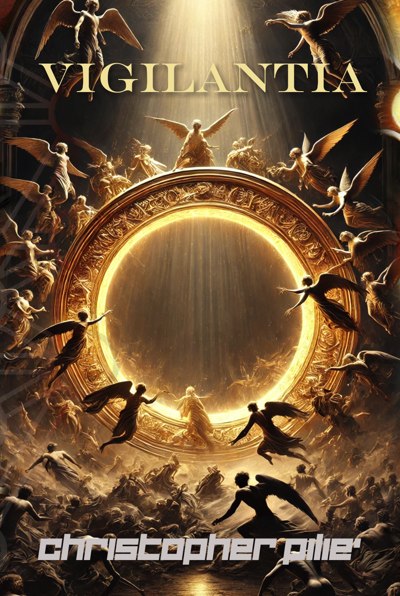
Book Three
Available now
Faith, bloodline, and conspiracy draw the Rossignols into an unseen war.
Learn more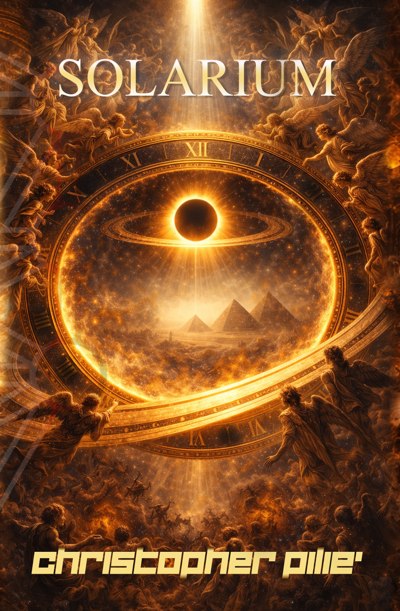
Book Four
Available now
The fourth novel continues the family's story of faith, inheritance, and hidden truths.
Learn more
Book Five
Coming
Across two centuries, the Rossignols search for a way to bring one man home.
Learn moreThe fifth novel in the Crimson Rada series. Step into the story with an excerpt.
Read an excerptPBS Documentary Titled - Egalite for All: Toussaint Louverture & The Haitian Revolution The Haitian Revolution (French: Révolution haïtienne [ʁevɔly
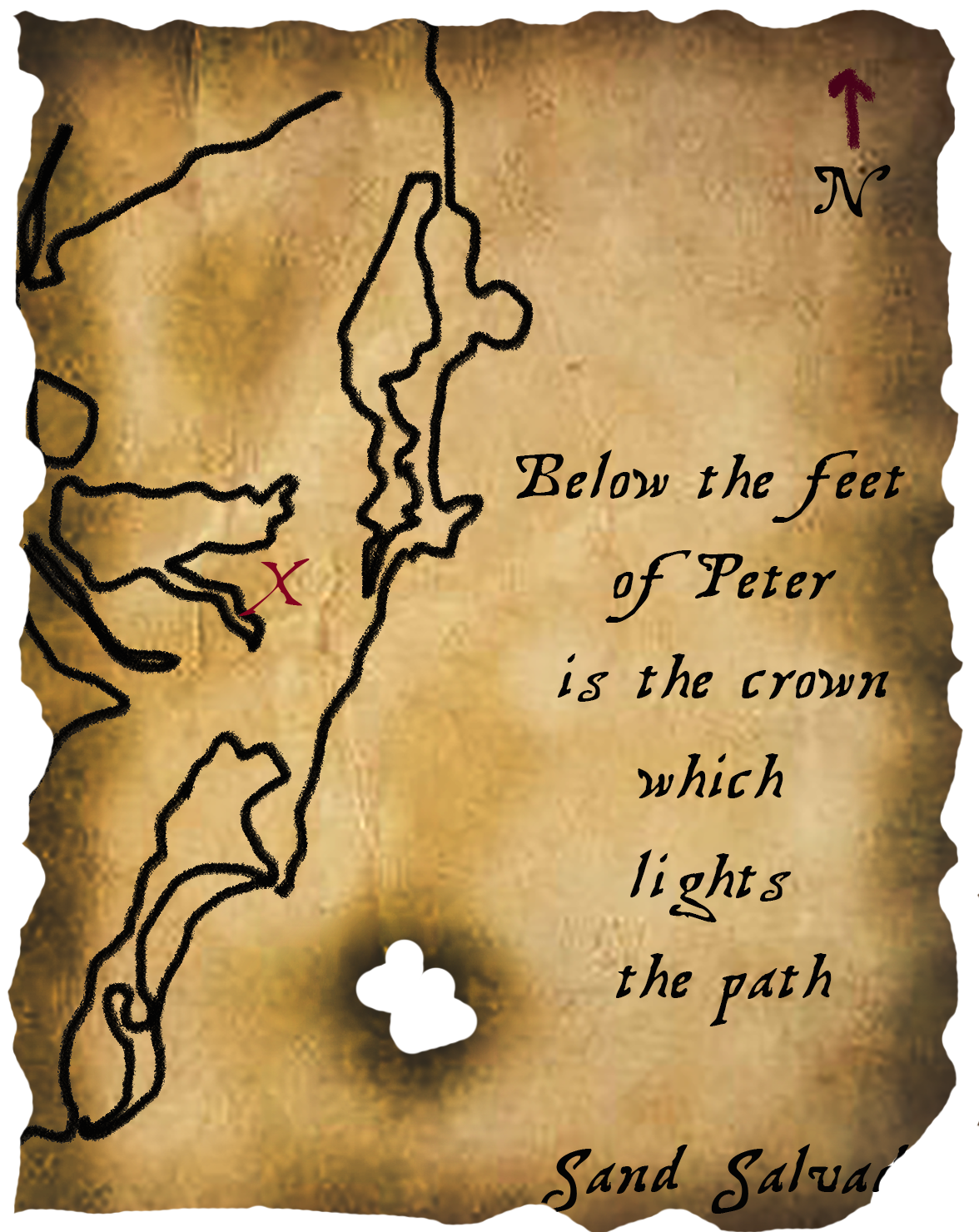
Read the novel "sugar" to unlock the secrets.
@crimsonrada